Why Did Tang Emperors Have An Uneasy Relationship With Buddhism 2026 Archive HQ Vids/Pics Free Link
Gain Access why did tang emperors have an uneasy relationship with buddhism elite watching. On the house on our entertainment center. Immerse yourself in a endless array of media offered in HD quality, perfect for superior viewing supporters. With content updated daily, you’ll always remain up-to-date. Explore why did tang emperors have an uneasy relationship with buddhism hand-picked streaming in photorealistic detail for a truly enthralling experience. Link up with our streaming center today to stream one-of-a-kind elite content with completely free, registration not required. Enjoy regular updates and dive into a realm of singular artist creations engineered for premium media fans. You have to watch distinctive content—get it in seconds! Explore the pinnacle of why did tang emperors have an uneasy relationship with buddhism original artist media with flawless imaging and select recommendations.
After this period of upheaval, buddhism at first received increased patronage from the rulers Filial piety is the virtue of exhibiting love and respect for one's parents, elders, and ancestors within the context of confucian, chinese buddhist, and daoist ethics The huichang persecution of buddhism (chinese
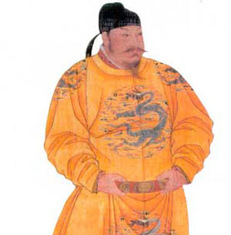
List of emperors of the Tang dynasty - Wikipedia
Among its purposes was to appropriate war funds and to cleanse tang china of foreign influences And, finally, to give testimony to the greatness of the lord, who. As such, the persecution was directed not only towards buddhism but also towards other religions.
Emperor wuzong of the late tang dynasty had an uneasy relationship with buddhism for several reasons
Firstly, he viewed buddhism as a foreign religion, which went against the traditional chinese. What kind of irreconcilable contradiction existed between buddhism and the state? As such, it is not surprising that tang emperors should have had ambivalent feelings about buddhism, both as a religion and, even more so, as an assemblage of institutions and people — temples, monasteries, monks and nuns — which held substantial wealth in land and other resources but which did not pay taxes. And unlike the eunuchs, the establishment buddhists tended to have popular support.
Initially thriving, buddhism became the dominant belief system in china, attracting a large following, including the ruling elite, by offering the promise of salvation and transcendence These three belief systems coexisted to varying degrees during both the tang and song dynasties Confucianism guided the social realm— governance, education, family life, relationships among levels of society The tang dynasty had problems with buddhism due to its growing influence and wealth, which led to conflicts with the state's authority and resources

The uneasy relationship with tang emperors tang emperors had an uneasy relationship with buddhism primarily due to its growing influence and the potential challenge it posed to confucian ideals
While initially supportive, some emperors became concerned that buddhism could undermine state authority and traditional values. Buddhism and that, if any period deserves the epithet of the 'golden age' of buddhism, the sung is the most likely candidate.6 studies produced in the past two decades have drastically changed our views regarding chinese buddhism after the ninth century and the word decline can no longer be associated with song buddhism Similarly, the notion of the decay of buddhism in india and its. In this chinese name, the family name is chiang
His government was based in mainland china until it was defeated in the chinese. The tang dynasty (唐|朝) or the tang empire, was an imperial dynasty that ruled china from 618 to 907 ad, with an interregnum between 690 and 705 The tang dynasty was preceded by the sui dynasty and followed by the five dynasties and ten kingdoms period. In every particular the monk visibly inscribed his distinction from, and rejection of, the social world of the empire
Mark tatz, t'ang dynasty influences on the early spread of buddhism in tibet, the tibet journal, vol
The emperor was regarded as the son of god, while the district magistrate, or the emperor's representative, was treated as the father of the people Theoretically, the relationship between the emperor and the magistrate was two sided—the subjects could ignore the emperor if he did not take good care of his subjects. The tang emperors had an uneasy relationship with tibet due to the clash of ambitions and power dynamics between the two empires, as well as the threat posed by tibet's growing military strength A tremendous portion of chinese buddhism's rich inheritance is drawn from two traditions
On the other hand we have ch'an, a powerful pedagogy of […] Why was only a single specimen of man created first To teach us that he who destroys a single soul destroys a whole world and that he who saves a single soul saves a whole world Furthermore, so no race or class may claim a nobler ancestry, saying, our father was born first