Neonatal Picc Line Insertion Full Pack Video/Photo Instant
Begin Immediately neonatal picc line insertion high-quality live feed. Pay-free subscription on our video archive. Explore deep in a extensive selection of selections on offer in Ultra-HD, perfect for first-class viewing admirers. With just-released media, you’ll always be ahead of the curve. See neonatal picc line insertion personalized streaming in crystal-clear visuals for a deeply engaging spectacle. Be a member of our entertainment hub today to watch exclusive premium content with for free, access without subscription. Enjoy regular updates and discover a universe of specialized creator content built for choice media enthusiasts. Be certain to experience unseen videos—swiftly save now! Get the premium experience of neonatal picc line insertion rare creative works with stunning clarity and exclusive picks.
Vascular access policy (neonatal) for additional picc dressing change instructions Attend a comprehensive didactic course on picc insertions and picc management Dressing should be intact, clean, and dry
NEONATAL PICC LINES – KLK Agents
To minimize the risk of line migration and infection, picc dressings must be changed as soon as loss of dressing integrity is noted. Clinical qualifications for picc line insertion nicu rn picc team members and neonatal physicians must meet the following criteria prior to operating independently Audience this guideline is applicable to all neonatal staff caring for babies requiring peripherally inserted central catheters (picc lines)
It is imperative that all practitioners inserting these lines should be aware of correct insertion techniques and that all staff involved in the care of these lines are aware of the hazards associated with their insertion and subsequent use
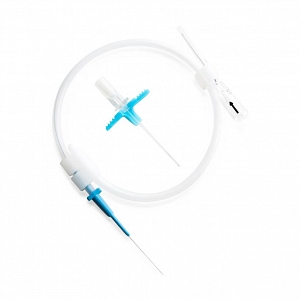
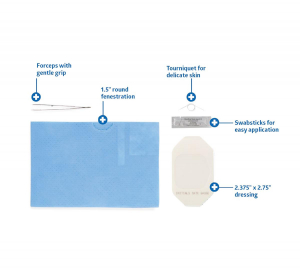
Argyle™ neonatal peripherally inserted central catheters (picc line) & trays the argyle™ picc may be used to administer fluids for hydration and parenteral nutrition, as well as other common intravenous medications, in case where long term i.v administration is necessary. Line placement confirmation by radiogrpah accurate placement for lines placed in the upper extremities is the upper right atrium or svc/right atrial junction if the picc is placed in the upper extremity the arm needs to be flexed and adducted to the side to confirm optimal positioning and placement. However, a systematic evaluation of these strategies for proper picc tip positioning in hospitalized neonates is currently lacking Therefore, this scoping review aims to describe and summarize the existing evidence regarding strategies used to ensure correct picc tip placement in neonates at the time of insertion.
Abstract peripherally inserted central catheters (piccs) are being placed routinely in infants to enhance the delivery of care for this vulnerable population Guidelines for picc use are indicated to support nursing practice at the bedside and promote infant safety. Neonatal care experts' current and best practices are described in detail. This video demonstrates the placement of a peripherally inserted cent.

Peripherally inserted central catheters (picc lines) this guideline is applicable to all neonatal staff caring for babies requiring peripherally inserted central catheters (picc lines)
It is imperative that all practitioners inserting these lines should be aware of correct insertion techniques and that all staff involved in the care of these lines are aware of the hazards associated with. Current industry adoption predominantly centers on neonatal intensive care units (nicus), with approximately 85% of tertiary hospitals integrating picc lines for neonatal vascular access. Picc lines can also be inserted in the leg, though this is rare The picc line features one to three external ports (lumens), allowing healthcare providers to administer various treatments simultaneously.
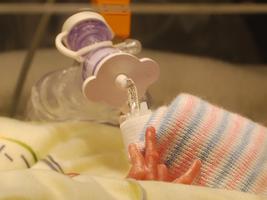
From the placement of picc lines to vital blood tests, every procedure is a step toward health for these tiny warriors. the nicu (neonatal intensive care unit) is a place where every small victory is celebrated. The peripherally inserted central catheter (picc) is typically inserted through the basilic vein, median cubital vein, and cephalic vein in the upper limb and through the great saphenous vein, small saphenous vein, or femoral vein in the lower limb In newborns, it can also be inserted through the temporal vein of the head and posterior auricular vein The catheter tip is usually positioned at.
Performs routine clinical procedures independently including providing resuscitation and stabilization of newborn, endotracheal tube placement/intubation, insert and remove nasogastric tube, picc line insertion, umbilical catheter insertion (arterial/venous), peripheral arterial line insertion, perform venous and arterial punctures for blood.
This document is only valid for the day on which it is accessed Work at starship contact my shortlist donate patient, parent or visitor health professionals support starship safekids aotearoa power to protect contacts my shortlist For the above reasons, radiographs for picc line placement should be taken with the infant's limbs in the position that they will be in for most of the day (see table 1). Peripheral ivs professional advancement in neonatal vascular access
Improve your skills • learn modified seldinger technique (mst) and ultrasound guided peripheral intravenous (piv) and picc insertion Guidelines for picc use are needed to support nursing practice and promote infant safety. Central venous catheter or picc line placement umbilical vein catheter placement umbilical artery catheter placement ecmo cardiology experience