Heel Squeeze Test Plantar Fasciitis Digital Vault Videos & Photos Fast Access
Play Now heel squeeze test plantar fasciitis exclusive webcast. Gratis access on our digital library. Become one with the story in a large database of videos made available in cinema-grade picture, optimal for select streaming fans. With the newest drops, you’ll always have the latest info. Check out heel squeeze test plantar fasciitis recommended streaming in ultra-HD clarity for a genuinely engaging time. Enter our platform today to see unique top-tier videos with no charges involved, without a subscription. Get fresh content often and experience a plethora of distinctive producer content conceptualized for prime media supporters. Act now to see singular films—click for instant download! Indulge in the finest heel squeeze test plantar fasciitis exclusive user-generated videos with stunning clarity and selections.
The diagnosis of plantar fasciitis can be difficult and complex Baxters nerve compression (a rare cause) 3 Generally we prefer a full clinical assessment of both feet to diagnose heel pain symptoms in most cases
A New Protocol for Plantar Heel Pain - Physiopedia
We test to exclude baxter's entrapment and if necessary, we may also test for plantar fascia rupture diagnosis. Plantar fasciitis (the most common cause) 2 The fat pad squeeze test is a diagnostic tool your doctor may use to rule out stress fractures and bursitis before ordering imaging scans, or making a diagnosis of plantar fasciitis.
Typically produces pain upon palpation of the plantar heel (not medial/lateral compression)
Pain localized to the fat pad or insertion, often discerned using a variation called the fat pad squeeze test Clinical value and interpretation the test is valued for its simplicity and utility. The windlass test achieves a direct stretch on the plantar aponeurosis which can be effective in examining dysfunction of the plantar fascia It is positive when pain is elicited by compressing anterior to the distal achilles tendon with a plantar flexed ankle 19.
The windlass test is a common orthopedic test to assess for plantar fasciitis which is a common pathology leading to heel pain. Plantar fasciitis foot and ankle exam this represents the most common cause of heel pain The pain is usually described as sharp and tends to be more intense with the first steps after long periods without weigh bearing, such as after a night sleep There are two ways of confirming the suspicion of plantar fasciitis on physical exam
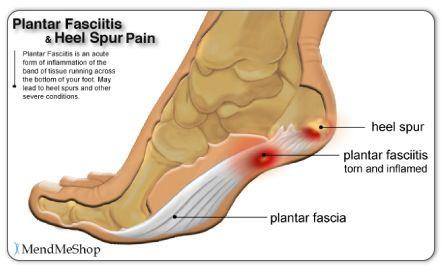
Heel pain that refuses to settle is not always plantar fasciitis
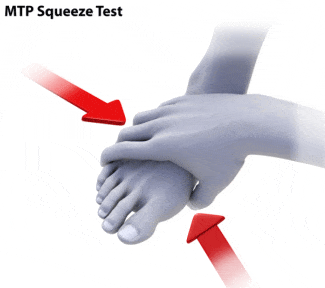
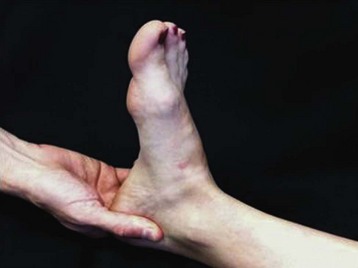
It is important to differentiate calcaneal stress fractures from plantar fasciitis as they can often present with similar symptoms A podiatrist might do what is known as a heel squeeze test by manually compressing both sides of the heel with the palms, and if this is painful then the diagnosis is less likely plantar fasciitis. Although plantar fasciitis is the most common cause of heel pain, one should not overlook other possible etiologies Accordingly, this author reviews pertinent keys to the patient history, physical exam and diagnostic testing that can help facilitate an accurate diagnosis
Plantar fasciitis is by far the most common cause of heel pain Given the high number of cases reported per year, it is. A practical approach heel pain is a vague term describing pain surrounding the calcaneus, most commonly felt posteriorly or inferiorly 2 however, patients consider a more broad area as their heel
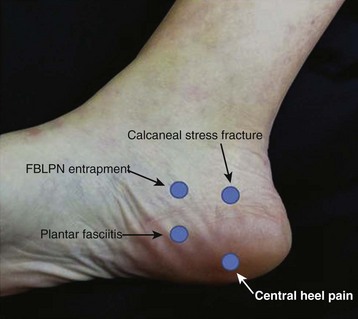
Plantar fasciitis plantar fasciitis is inflammation of the plantar fascia
The plantar fascia is thick connective tissue It attaches to the calcaneus at the heel, travels along the sole of the foot and branches out to connect to the flexor tendons of the toes Presentation is with a gradual onset of pain on the plantar aspect of the heel. On physical examination, patients with plantar fasciitis will have pain at the origin of the plantar fascia
Pain will not be present elsewhere A calcaneal squeeze test should be performed, and if painful, a stress fracture can be suspected Patients with tarsal tunnel syndrome will also have pain near the origin of the plantar fascia But a tinel's sign,or percussion of the tibial.
Whereas typical pain from plantar fasciitis or overload heel pain syndrome is usually quite localized
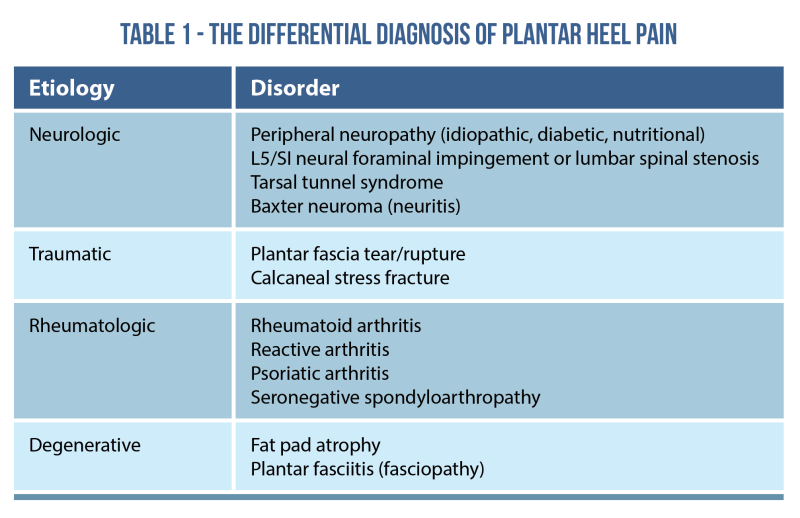
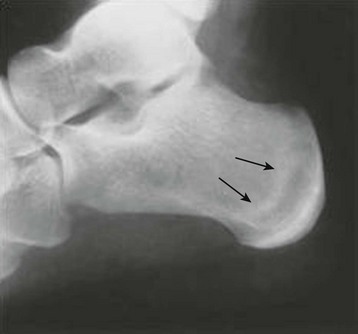
In patients with a stress fracture of the calcaneus performing a squeeze test where the heel is squeeze will often create discomfort Patients with a stress fracture of the heel will usually walk with a limp. The differential diagnosis for heel pain is expansive (table 1) and beyond the scope of this review These comprise the general groups of posterior and plantar heel pain.
🦶the calcaneal squeeze test or heel squeeze test is a special test to help identify a heel stress fracture or sever's disease This video is short and sweet! Among the possible causes, plantar fasciopathy (previously known as plantar fasciitis) is thought to be responsible for causing plantar heel pain in 1 in 10 of the population. Subacute and chronic plantar and medial heel pain are most frequently the result of repetitive microtrauma or compression of neurologic structures, such as plantar fasciitis, heel pad atrophy, baxter nerve entrapment, calcaneal stress fracture, and tarsal tunnel syndrome
Most causes of inferior heel pain can be successfully managed nonsurgically.
Ebraheim's educational animated video describes different causes of heel pain It also explains diagnosis and treatment of heel pain including plantar fasciitis Heel pain is an extremely common complaint with several common causes